Sprains, Strains & Recovery: An Evidence-Based Approach
Introduction
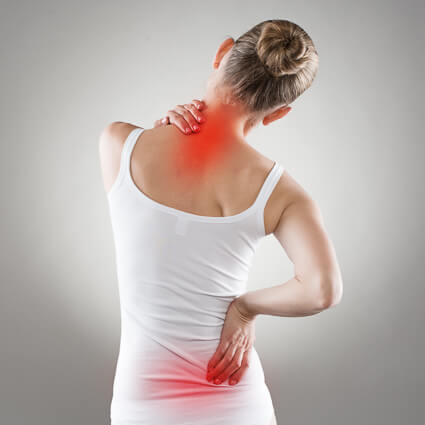 Sprains and strains are among the most common injuries affecting people of all activity levels—from athletes to individuals performing everyday tasks. While these injuries are common, proper management is critical to ensure optimal healing and prevent long-term issues.
What is a Sprain vs. Strain?
A sprain involves injury to ligaments (the tissues connecting bone to bone), while a strain involves muscles or tendons (which connect muscle to bone). Both can range from mild to severe and require proper evaluation.
Common Symptoms
- Pain with movement
- Swelling or tenderness
- Limited range of motion
- Weakness or instability
These symptoms can also lead to compensation patterns, increasing stress on other parts of the body.
Why Proper Evaluation Matters
A thorough, evidence-based evaluation helps determine the severity and type of injury. This includes assessing the mechanism of injury, movement patterns, strength, and tissue involvement. Accurate diagnosis ensures the most effective treatment plan.
Modern Recovery Approach: PEACE & LOVE
Current research supports a balanced recovery model:
Early Phase (PEACE):
- Protect the injured area briefly
- Allow natural inflammation
- Avoid overuse of anti-inflammatories
Recovery Phase (LOVE):
- Gradual return to movement
- Restore mobility and strength
- Improve circulation and tissue resilience
Healing is about proper timing—not complete rest or overexertion.

Ice vs. Heat: Updated Guidelines
Ice:
- Best within first 6-12 hours
- Helps reduce pain temporarily
- Overuse may slow healing
Heat:
- Best after initial phase
- Improves blood flow
- Supports tissue recovery
General Rule:
- Same-day injury: Use ice briefly
- After 24 hours or for stiffness: Use heat
How Chiropractic Care Helps
Our approach combines:
- Joint adjustments to restore motion
- Soft tissue therapy
- Corrective exercise and rehabilitation
- Movement education to prevent re-injury
We focus on treating the root cause—not just symptoms.
Conclusion
Sprains and strains heal best with proper diagnosis, correct timing of interventions, and guided return to activity. Evidence-based care ensures faster recovery and better long-term outcomes.
Healing isn’t about doing less—it’s about doing what’s right at the right time.